


شرطة الأطفال - مكالمة وهمية
4.1863.00 Reviews
App Specs
- Version
- 2.1.8
- Updated On
- License
- Free
- Downloads
- 50,000,000+
- Developer
- Oub Apps
- Categories
- Parenting
- Platform
- Android
Screenshots


 Analysis by AppCompare
I see this app as a very specific parenting shortcut: it can make a difficult moment feel playful, but it works best as an occasional prompt rather than a stand-in for a conversation with your child. شرطة الأطفال - مكالمة وهمية is a free parenting app from Oub Apps, built around simulated calls that parents can use to steer children toward a desired behavior. That simple premise is both its appeal and its main limitation: it gives you a ready-made bit of theater, not a broader system for managing routines or explaining rules.
When a pretend call can help
A familiar everyday example is the transition from playtime to getting ready for bed. If a child is resisting the change, a pretend call may briefly redirect attention and make the next step feel like part of a game. I would use it before a predictable transition, while there is still time to follow through calmly, rather than reaching for it in the middle of a serious upset. The point is to make cooperation easier, not to turn every disagreement into a performance.
That distinction matters because the app’s premise depends on a child accepting the pretend situation. Some children may enjoy the novelty; others may quickly recognize the setup, dislike being addressed through an imagined authority figure, or simply want to know why a parent is using a phone. In those cases, a straightforward explanation and a choice between two acceptable options will probably work better. The call is a prompt, not proof that a child has learned why a boundary matters.
Use it as a cue, not a consequence
One practical way to avoid making the call feel like a threat is to decide what you want to happen after it before you open the app. If the call is intended to prompt tidying, be ready to help your child start with one small task; if the issue is a routine, say what the next step is in your own voice. A pretend call without a clear, achievable follow-through can create a moment of surprise but leave the original problem untouched.
I would also keep the tone light and avoid presenting the police as people who will punish or remove a child for ordinary misbehavior. Children can interpret authority and safety very literally, especially when they are young. Used as a playful nudge, the idea may capture attention; used to frighten a child into compliance, it risks undermining trust and making real-life police interactions seem threatening. That is a meaningful trade-off for parents to consider before trying it.
What’s the Buzz About?
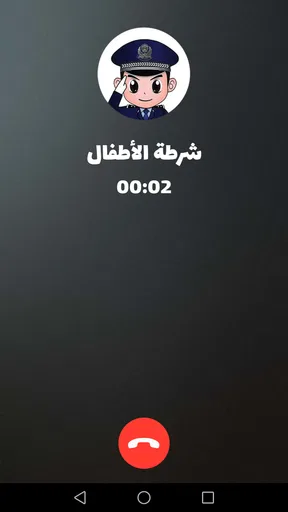
First things first, let’s talk about what شرطة الأطفال - مكالمة وهمية is all about. This app gives you the ability to simulate a phone call from the police, making it a handy tool for parents trying to encourage good behavior in a fun and engaging way. It’s like having a parenting sidekick that’s always got your back when you need it most.
Easy Peasy Interface
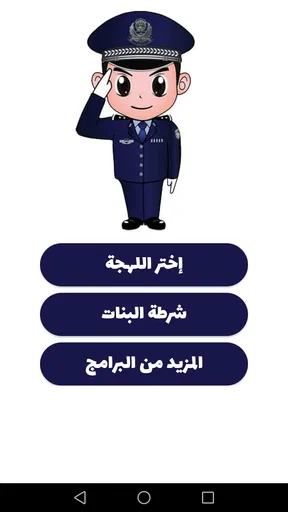
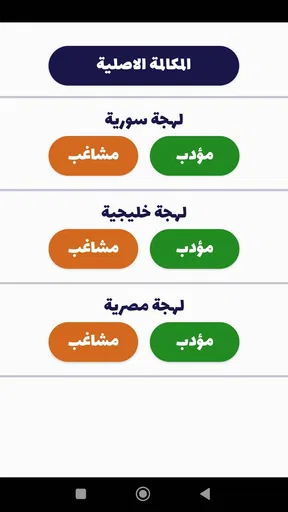
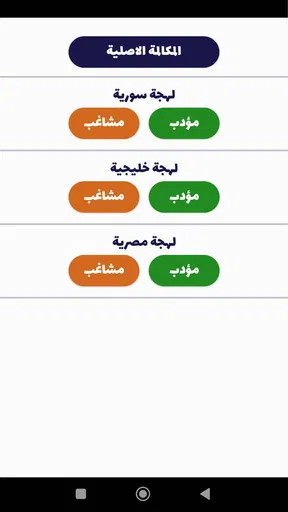
One thing I loved about this app is how straightforward it is. You don’t need a manual to get started. The interface is clean, intuitive, and super easy to navigate. Just open the app, and you’re greeted with a simple menu that guides you through the process of setting up your faux call. It’s as easy as pie!
Worth Reading Before You Choose

Baby Panda World Brings Quick Play to Modern Phones, but Its Game Library Feels Busy

ESPN’s Live Game View Makes Following Close Games Easier

QuizzLand Review: A Good Fit for Short Trivia Breaks, Not Every Player

Basketball Stars: Multiplayer Is Fast, but Can It Recover When Matches Go Wrong?

WEBTOON Turns Phone Updates Into a Better Reading Routine

Link to Windows Runs on Shared Habits, Not Social Feeds
That simplicity is particularly useful when you need to make a quick choice while supervising a child. I would still decide on the message beforehand, rather than browsing while the child waits; the calmer and more natural the moment feels, the less likely it is to turn into a contest over the phone. If you are sharing a device, it also makes sense to open the app before bringing it into the conversation, so the tool does not become a distraction from the routine you are trying to support.
Fun and Interactive Features
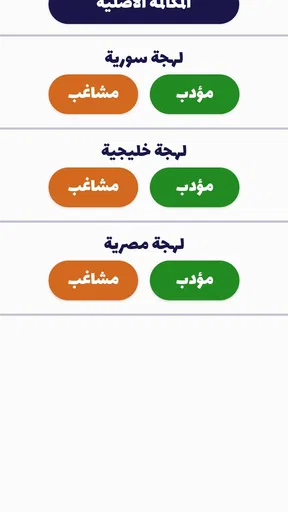
The app offers a variety of call scenarios to choose from, each designed to address different behaviors. Whether it’s a call to encourage tidying up toys or a gentle reminder about bedtime, the app has got you covered. And the best part? The kids find it both fun and slightly mysterious, which makes them more inclined to listen.
The voices used in the app are friendly and reassuring, which is a huge plus. No need to worry about scaring the little ones; it’s all about positive reinforcement. I found this approach quite refreshing and effective.
Think about the child, not just the scenario
A set of scenarios can make the app feel more flexible than repeating the same line, but the right choice depends on the child and the moment. A child who enjoys pretend play may respond to the imaginative framing, while a child who is anxious about authority figures may find the same approach uncomfortable. I would treat the child’s reaction as useful feedback: if they seem uneasy or start asking worried questions, stop the pretend call and explain plainly that it was make-believe.
It is also worth thinking about how often you use the trick. A surprise is most likely to work when it remains occasional; if every routine depends on an imaginary call, the child may lose interest or begin waiting for the phone instead of responding to your ordinary instructions. For repeated habits, a predictable family routine, a visual reminder, or a simple reward agreed on together may be a better fit. The app can add a moment of novelty, but novelty is not the same as lasting motivation.
A Handy Tool for Every Parent
Now, I’ll be honest. As a parent, I was a bit skeptical at first. But after giving it a go, I can see how this app could be a game-changer for many families. It’s not just about getting the kids to behave; it’s also about teaching them in a playful and engaging way. The app provides a unique solution that blends technology with traditional parenting techniques.
It will suit caregivers who are comfortable with pretend play and want a quick way to change the mood around a small, everyday request. It is less suitable for anyone looking for evidence-based behavior guidance, a shared family routine planner, or a way to handle persistent conflict. In those situations, direct communication, consistent boundaries, and advice tailored to the child are more useful than a simulated call. I would not rely on it for safety issues, distress, or behavior that needs a serious discussion.
Parents may also wonder whether the app is available without paying. It is free, and its content rating is Everyone, so the basic decision is less about a purchase and more about whether the premise suits your household. The app has an average rating of 4.1 from around 159,000 ratings, with about 860 written reviews and over 50 million installs. Those figures suggest that many people have tried it, but they do not tell me whether a particular child will enjoy the joke or whether it will fit a family’s approach.
For families comparing it with ordinary parenting tools, the difference is clear. A routine chart or timer makes expectations visible and can help a child take ownership of a task; a parent’s own pretend call is more theatrical and may be faster at capturing attention in the moment. Neither is automatically better. I would choose the call for a brief, low-stakes change of mood, and choose a routine or direct explanation when the goal is to build a habit the child can manage without a phone.
Language and household context
Plus, it’s not just a one-trick pony. The app includes multiple languages, which is a thoughtful addition for multi-lingual families or those looking to introduce their kids to a new language in a fun context.
In a multilingual home, I would think about which language the child associates with comfort and clear instructions, rather than choosing a call simply because another language is available. A playful message is only useful if the child understands its meaning and does not mistake the performance for a real emergency. For a child learning a language, the call might create a memorable listening moment, but it should not be treated as a lesson by itself; a parent can follow up by explaining any unfamiliar words in a relaxed way.
The app is listed as version 2.1.8 and supports Android 5.0 or later. That makes the operating-system requirement straightforward for many older Android devices, but it is still worth checking compatibility on the phone you intend to use. It was released on May 19, 2014, so I would approach it as a focused, established utility rather than assume its interface or approach will feel like a newer parenting platform. Its small scope is part of the convenience, but also means it is not a substitute for tools built around ongoing family organization.
Why It Wins Hearts
The thing that makes شرطة الأطفال - مكالمة وهمية stand out is its ability to turn a potential tantrum into a teaching moment. Kids are naturally curious, and having a "call from the police" can turn tasks they might find boring into exciting missions. It’s a smart way to redirect their focus and make mundane tasks seem more appealing.
Additionally, the app is lightweight and doesn’t hog your phone's resources. It runs smoothly, without any glitches, which is always a big bonus in my book.
My strongest reservation is not about the basic concept but about what adults may ask it to do. A simulated authority figure can get a quick reaction, yet a quick reaction is not the same as understanding or willing cooperation. If the child asks whether the call is real, I would answer honestly rather than deepen the deception. Keeping that boundary protects trust and helps the app remain a piece of pretend play instead of a source of fear.
Final Thoughts
If you’re a parent looking for creative ways to keep your little ones in check while adding a sprinkle of fun to the mix, then this app might just be what you need. It’s not about scare tactics; it’s about engaging kids in a way that’s both fun and educational.
So go ahead, give شرطة الأطفال - مكالمة وهمية a try. Who knew a phone call could make such a difference? It’s a modern parenting hack that’s worth exploring, and it might just become your new best friend in the parenting journey.
My recommendation
I would try it only if the child already enjoys pretend scenarios and the situation is minor enough to handle with humor. Keep the call brief, stay nearby, and make the real request clear afterward. If the child is frightened, confused, or no longer interested, put the phone away and switch to a direct conversation. For families who want a playful nudge, this free app can be a convenient option; for parents seeking a dependable way to teach routines or resolve recurring behavior, a calm and consistent approach will serve them better.
Pros
- Engages children with interactive calls.
- Simple and easy-to-use interface.
- Free to download and use.
- Encourages good behavior in a fun way.
- Available without internet connection.
Cons
- Limited language options.
- May not suit older children.
- Contains ads that can disrupt play.
- Repetitive content might bore quickly.
- No parental control features.
FAQs for شرطة الأطفال - مكالمة وهمية
What is the main purpose of the شرطة الأطفال - مكالمة وهمية app?
The شرطة الأطفال - مكالمة وهمية app is designed to help parents manage their children's behavior by simulating a fake call from the police. This interactive tool creates a fun yet effective way to encourage good behavior, making it easier for parents to set boundaries and discipline in a playful manner.
Is the شرطة الأطفال - مكالمة وهمية app suitable for all age groups?
While the app is primarily aimed at young children, typically those between the ages of 3 to 8, parents should use discretion based on their child's sensitivity to such simulations. It's important to ensure that the child understands it's a playful tool rather than a real threat.
Are there any privacy concerns with using the شرطة الأطفال - مكالمة وهمية app?
The app generally requires minimal permissions, such as access to the phone's call function to simulate a call. However, users should always check the permissions requested upon installation and review the app’s privacy policy to understand how any data is handled.
Does the app require an internet connection to function?
No, the شرطة الأطفال - مكالمة وهمية app does not require an internet connection to operate. It functions completely offline, which makes it convenient for use anywhere, without the need to worry about data usage or connectivity issues.
How user-friendly is the شرطة الأطفال - مكالمة وهمية app?
The app is designed to be intuitive and easy to use, with a simple interface that allows parents to quickly set up and simulate a call. It typically features straightforward navigation, making it accessible even for those who may not be tech-savvy.


